Narcan (Naloxone) & Overdose Prevention: What You Need to Know
What is Narcan (Naloxone)?
Narcan (Naloxone) is a life-saving medication that can reverse an opioid overdose. It works by blocking the effects of opioids in the brain and restoring normal breathing.
– Fast-acting: Works within 2–5 minutes.
– Temporary: Effects last 30–90 minutes.
– Safe: No effect if opioids are not present; cannot be abused.
Why Carry Narcan (Naloxone)?
With the right tools, bystanders can prevent overdose deaths. Anyone can carry Narcan (Naloxone), give it to someone experiencing an overdose, and maybe save a life! If you give Narcan (Naloxone) (Narcan) to a person who has not taken an opioid or has taken other substances, it will not hurt them- it is always better to use it if you think someone is overdosing.
Carrying Narcan (Naloxone) is not different than carrying an EpiPen for someone with allergies. Narcan (Naloxone) provides an extra layer of protection for those at a higher risk for overdose.
Remember, Narcan (Naloxone) is a safe medicine that can be given safely to people of all ages.
Who Should Carry Narcan (Naloxone)?
You should consider carrying Narcan (Naloxone) if you or someone you know:
- Has a history of overdose.
- Uses prescription opioids or heroin.
- Has a history of opioid use disorder or other substance use disorder.
- Is taking high-dose opioids or combining opioids with other substances (e.g., benzodiazepines, alcohol).
- Has recently completed detox or been released from incarceration.
- Diagnosed with sleep-disordered breathing.
Recognizing an Opioid Overdose
Signs of overdose may include:
- Unresponsiveness (won’t wake up even if shaken or shouted at).
- Slow, shallow, or no breathing.
- Blue or gray lips and fingernails.
- Gurgling or snoring sounds.
- Cold or clammy skin.
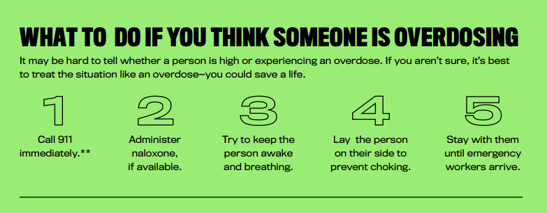
What To Do in an Overdose Emergency
Good Samaritan Laws
North Carolina has a law that protects individuals who seek help during an overdose. You won’t be prosecuted for drug possession if you call 911 and stay with the person.
How to Reduce Overdose Risk
- Take medications exactly as prescribed.
- Avoid mixing opioids with alcohol or other drugs.
- Don’t use opioids alone.
- Store Narcan (Naloxone) in an accessible place and let others know where it is.
Where to Get Narcan (Naloxone)
Narcan (Naloxone) is available at many pharmacies without a prescription. Ask your healthcare provider or pharmacist how to obtain it.
General Safety Tips When Using Prescribed Opiates
- DO NOT share any medication with others.
- DO NOT take more medication than prescribed – if your medication is not working tell your medical team.
- DO NOT mix pills with other drugs or alcohol.
- DO NOT chew, crush, melt or fold medication.
- DO NOT drive or work with machines until you know how pain medicine makes you feel.
- DO safely get rid of any leftover medicine. Call 211 for drug disposal locations.
General Safety Tips When Using Non-Prescribed Opiates
- DO identify support persons that can assist with medication safety, learning signs and symptoms of overdose, and know the location of Narcan (Naloxone).
- DO keep any items or tools safely put away so that other people can’t get to them. It’s important to keep things stored properly to help everyone stay safe.
- DO clean all tools to decrease risk of infection and illness.
- DO test with fentanyl strips if you have access.
- DO NOT use alone- let others know.
- DO NOT use other substances.
- DO NOT use cold water or a bath if you are suspecting overdose- this wastes time.
- DO NOT give coffee or caffeine to attempt to wake the person up- they do not work.
- DO NOT take pain medication that is not yours.
For more information click here: Opioid Education
Privacy & Cookies: This site uses cookies. By continuing to use this website, you agree to their use.
To find out more, including how to control cookies, view our Privacy Policy.
Follow us on Instagram @kintegrahealth